

Why the First Two Weeks Are the Best Time for Newborn Photos
One of the most common questions parents ask when planning a newborn photo session is: When is the best time to photograph my baby?
For most newborn sessions, the ideal window is within the first two weeks after birth, usually between 5 and 14 days old. This isn’t a strict rule, and you can absolutely create beautiful newborn photos later. However, those first two weeks often make the experience easier for both the baby and the parents.
Babies Are Usually Sleepier
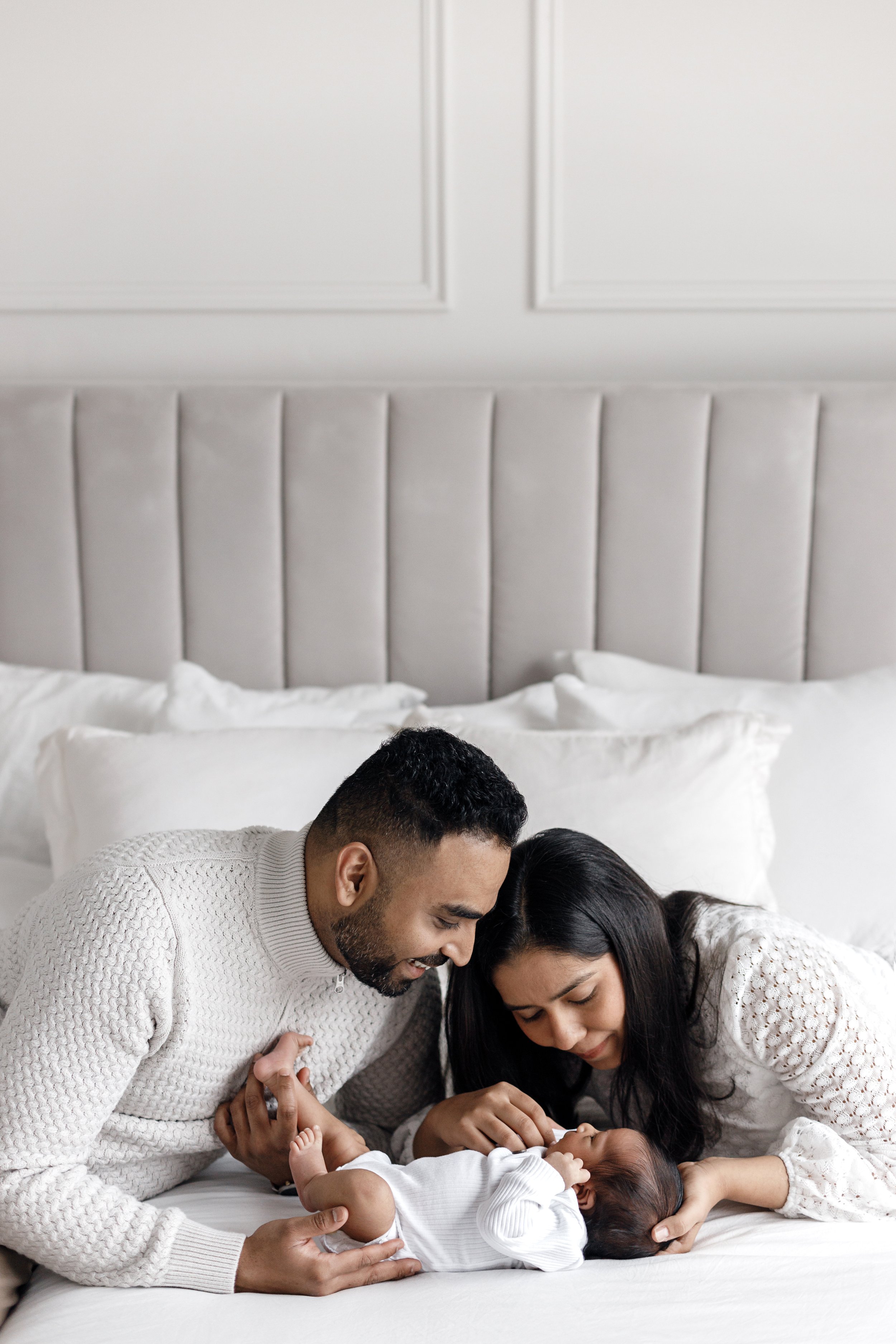
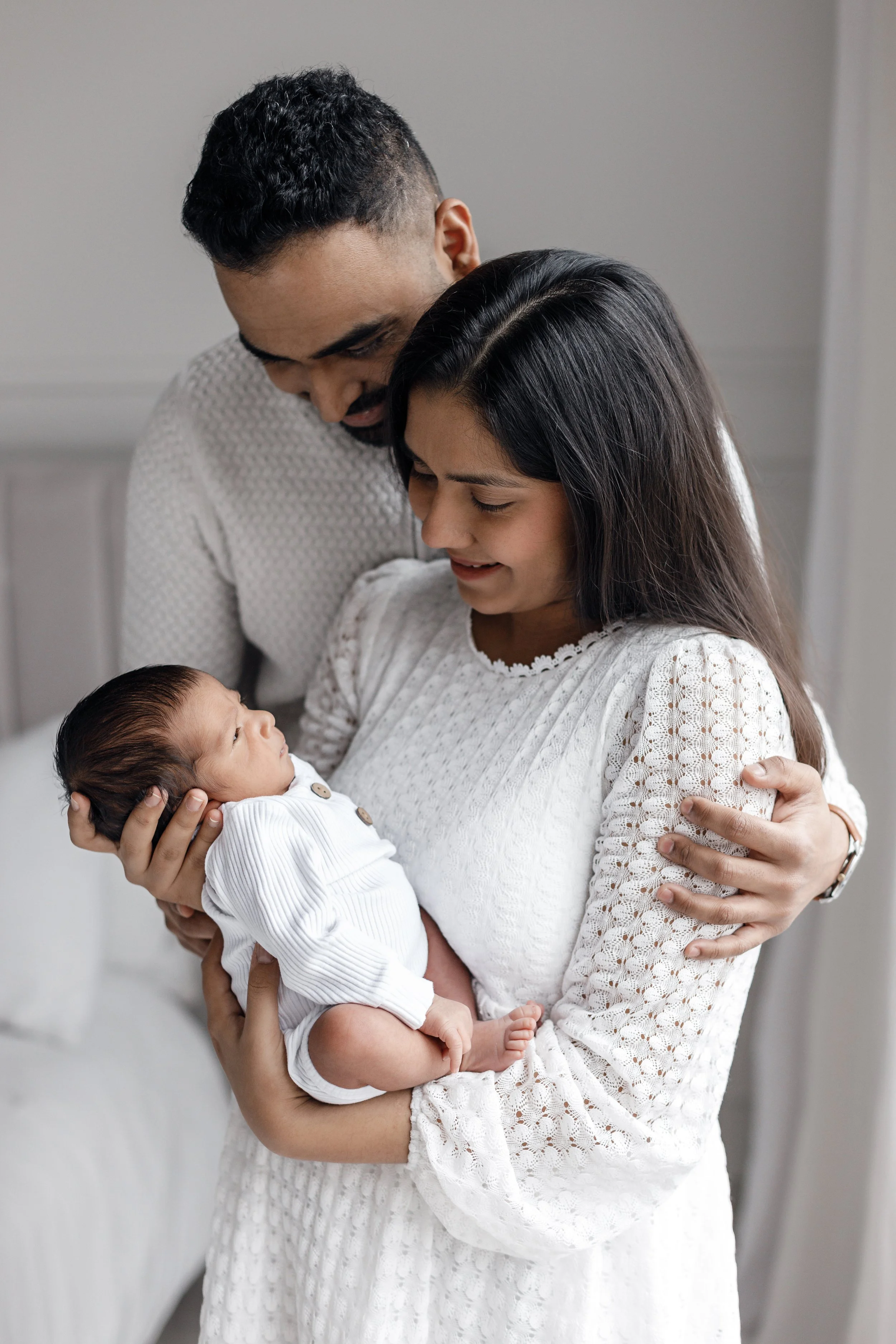
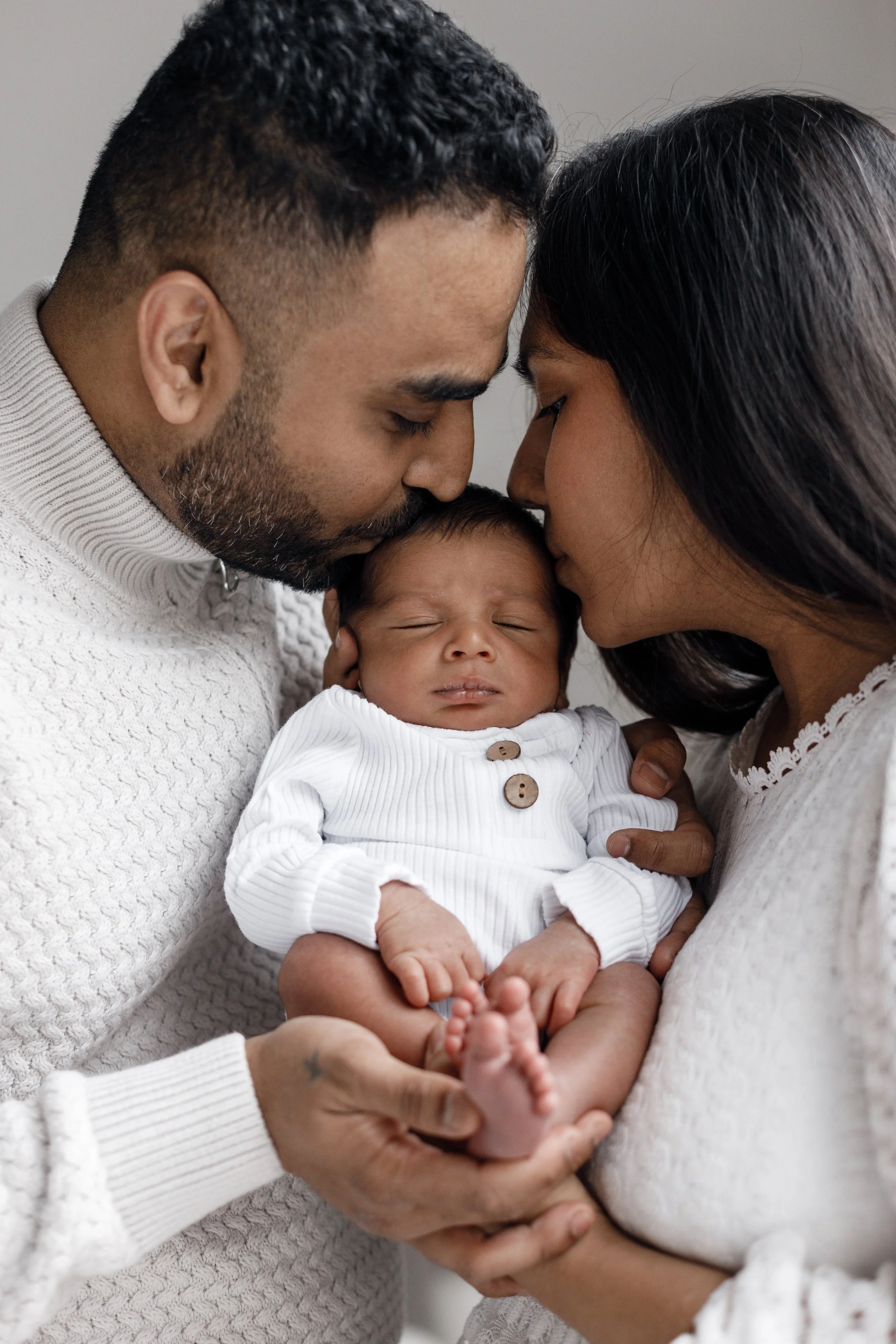
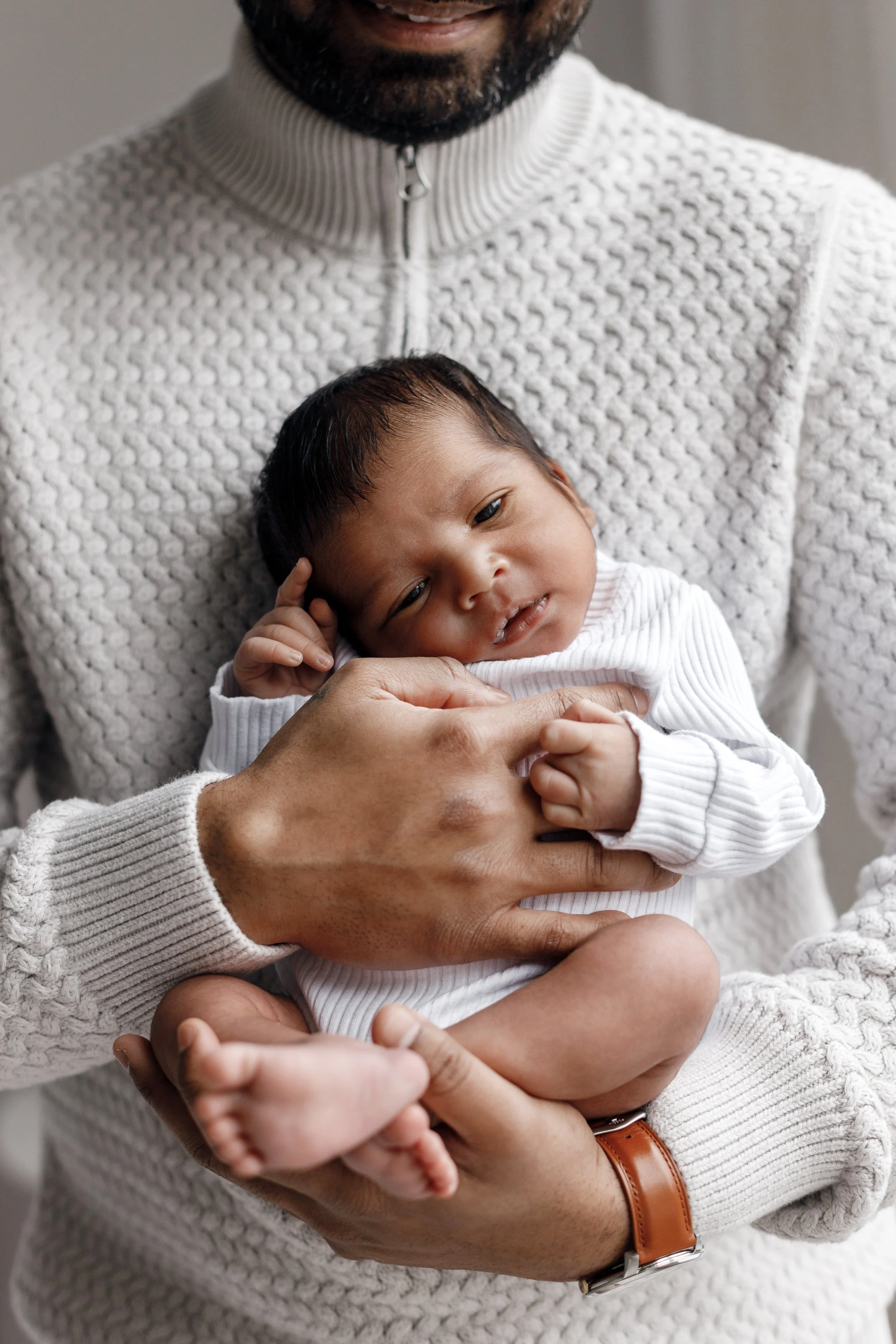
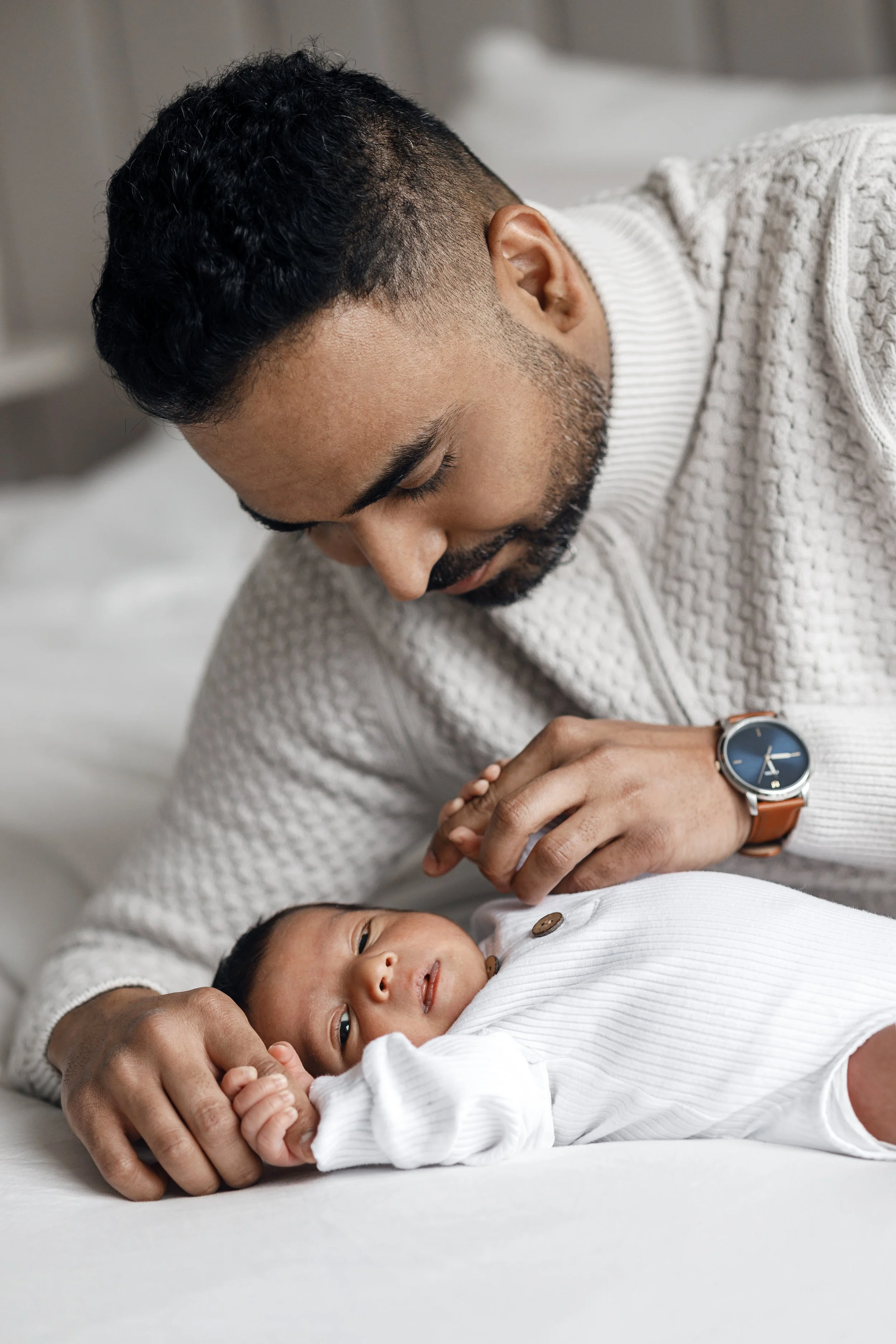
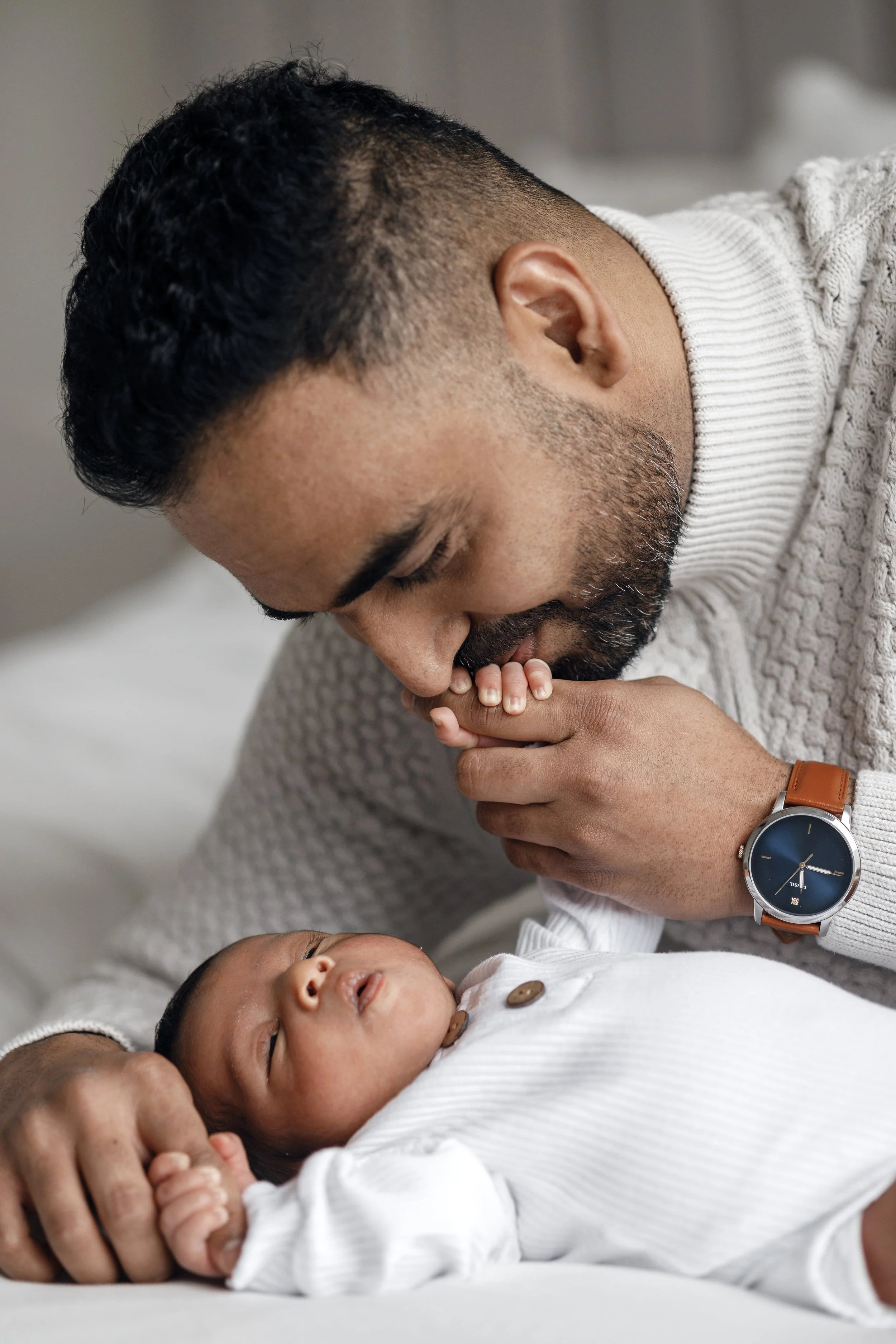
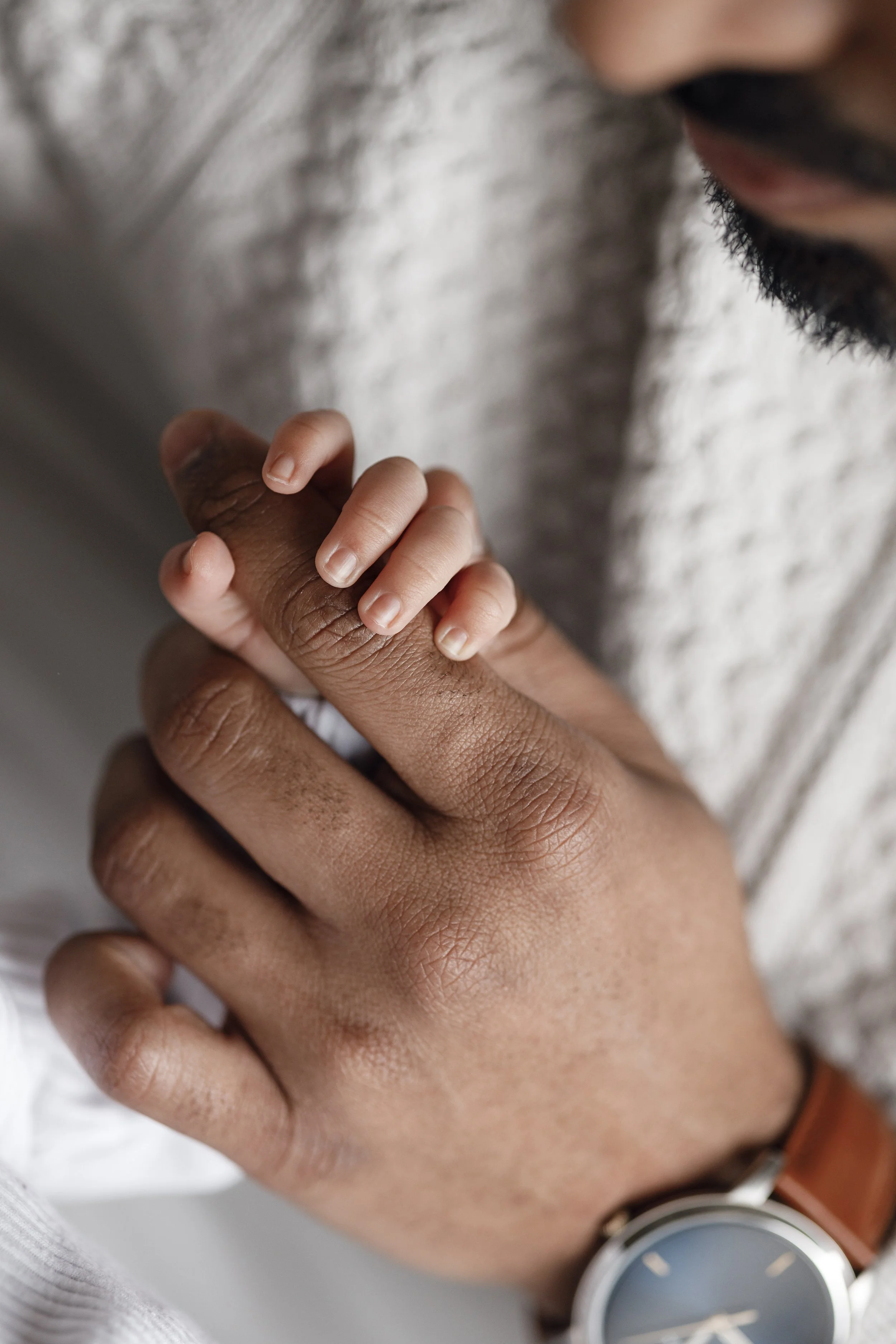
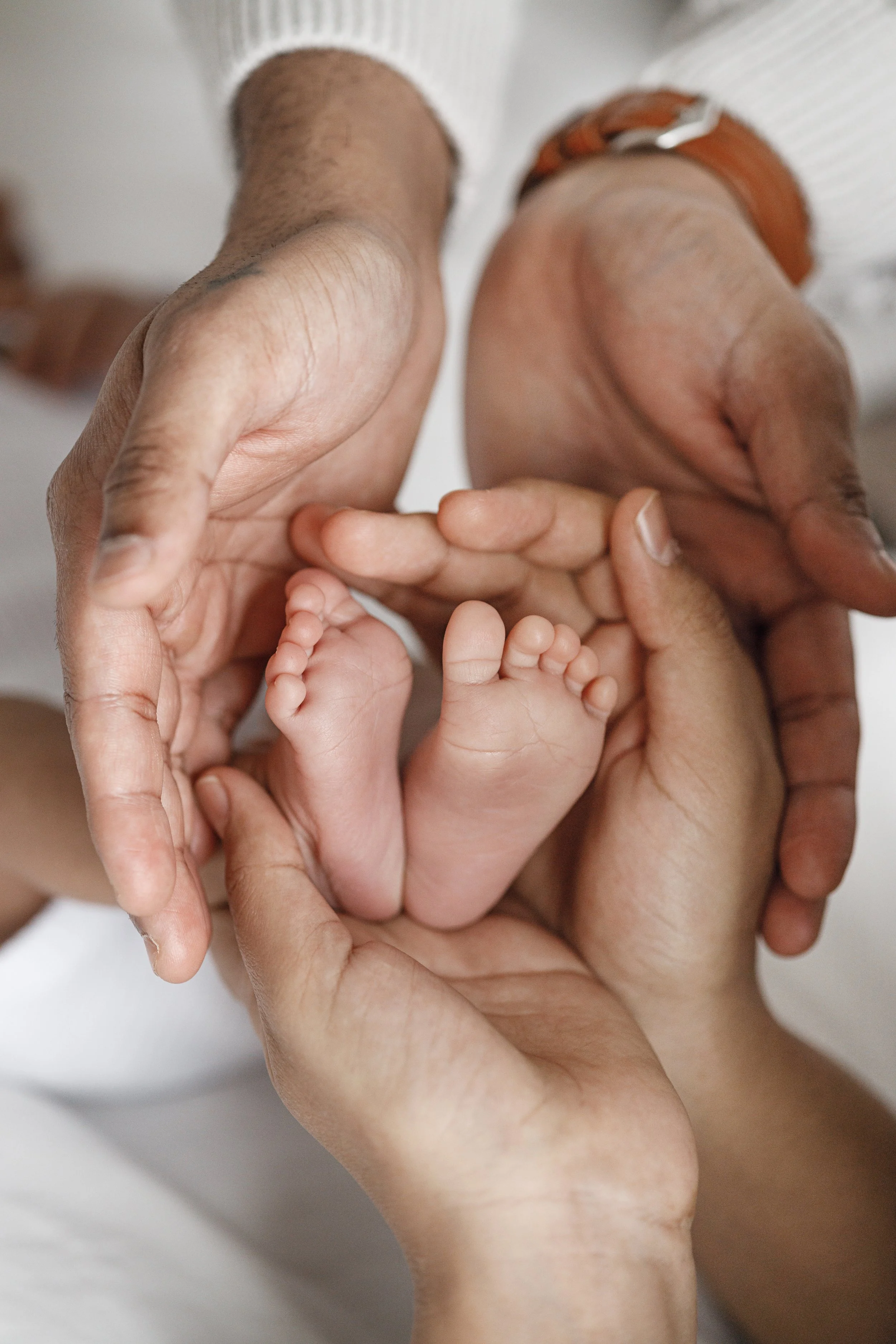
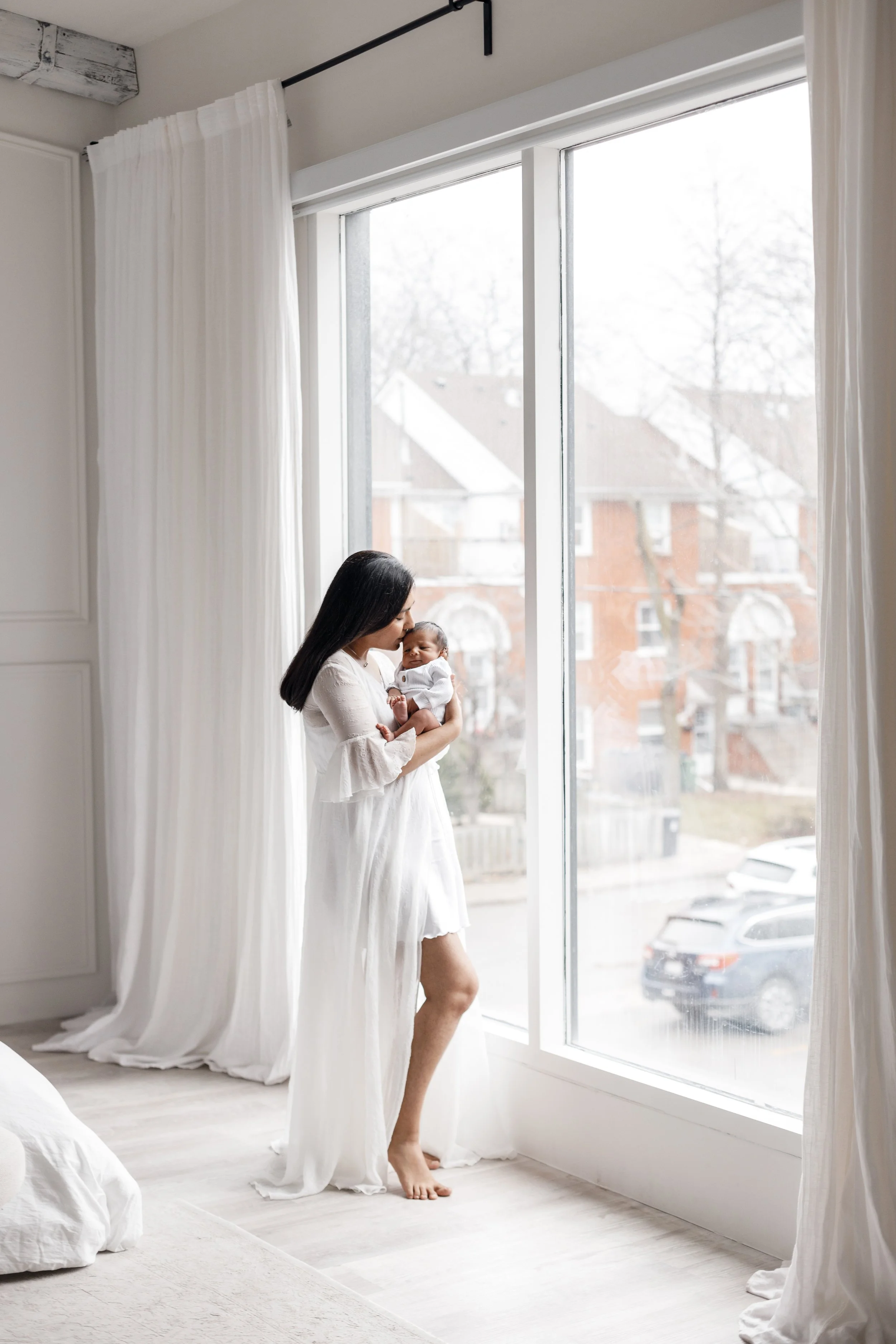
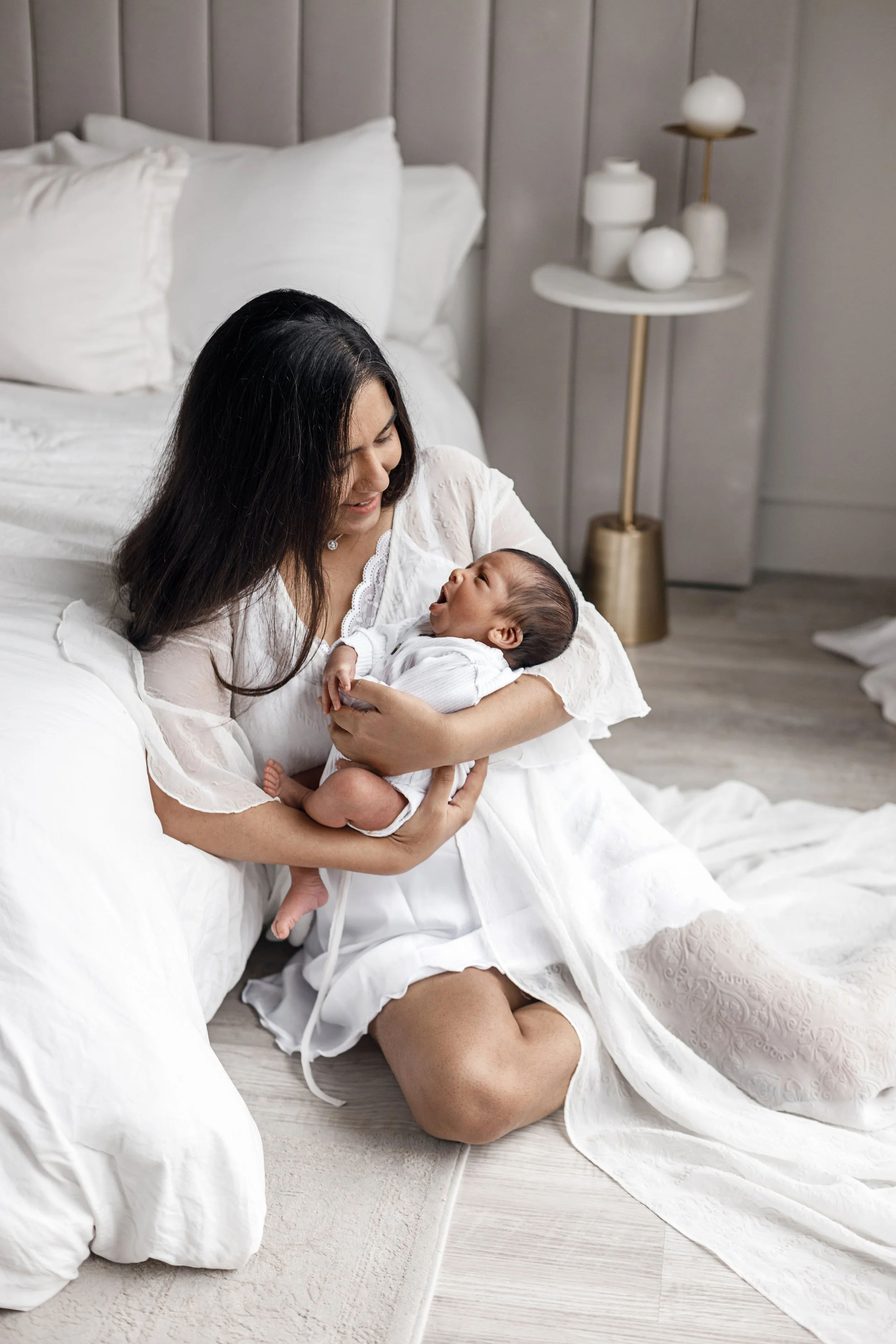
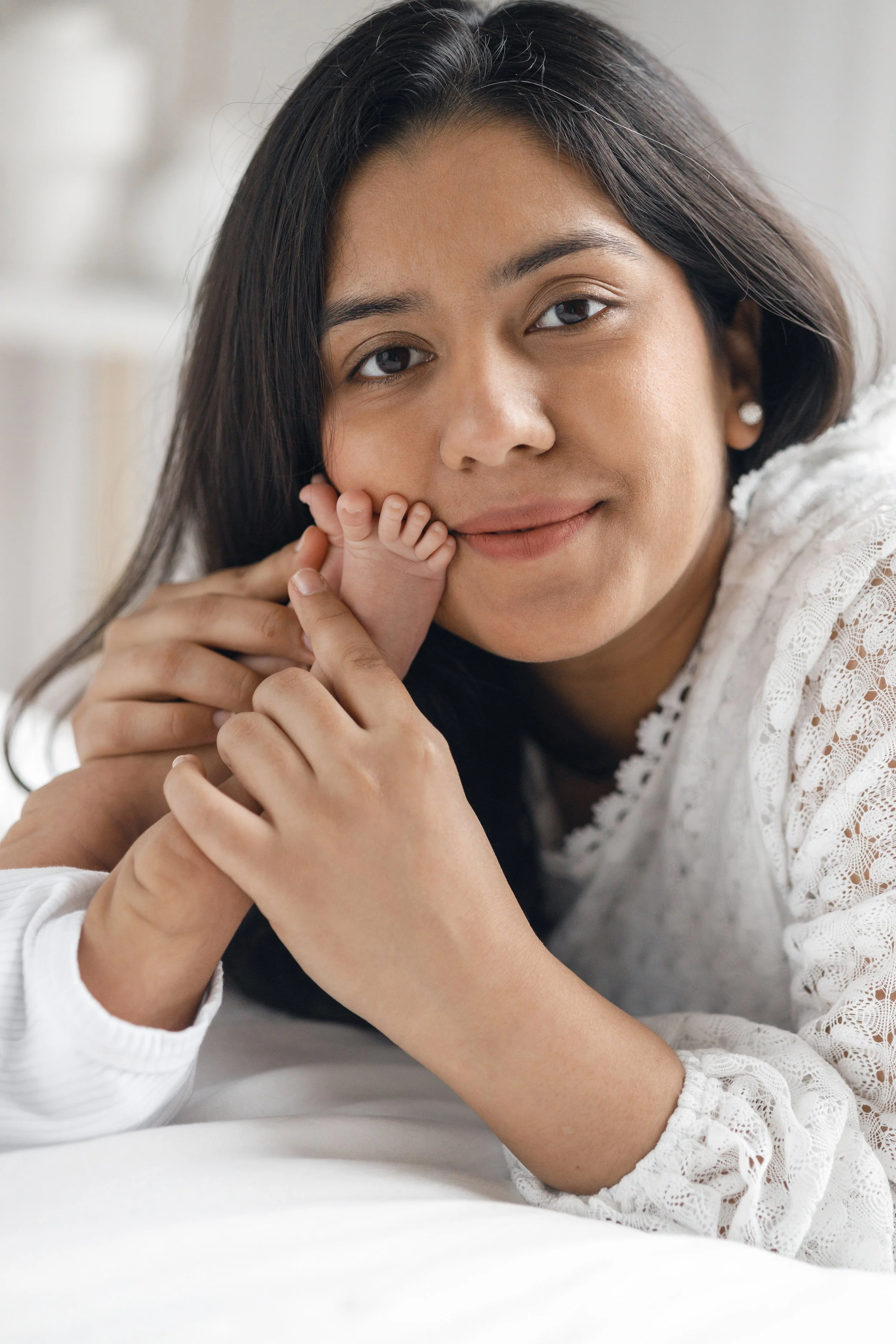
During the first days of life, newborns tend to sleep frequently and deeply. This makes it easier to capture those peaceful, intimate images that define newborn photography: tiny hands, curled-up legs, sleepy expressions, and quiet moments in a parent’s arms.
As babies get older, they gradually become more alert and spend longer periods awake. This can be wonderful for capturing eye contact and personality, but sessions may also require more feeding, soothing, and breaks.
The Natural Newborn Look Changes Quickly
Newborns grow incredibly fast. During the first two weeks, babies often still naturally curl their legs and arms close to their bodies, resembling the position they had before birth.
Within just a few weeks, their features begin to change, their bodies stretch out more, and they become noticeably more active. If your goal is to preserve that unmistakable brand-new baby stage, scheduling the session early is ideal.
Colic Can Become More Noticeable After the First Few Weeks
Another reason photographers often recommend an early session is that colic and prolonged periods of fussiness commonly begin when babies are a few weeks old rather than immediately after birth.
Of course, every baby is different. Some newborns are calm at four weeks, while others may already be more sensitive during their first days. But photographing your baby during the first two weeks can sometimes mean a calmer, more predictable session before increased fussiness develops.
Baby Acne Often Appears a Little Later
Newborn skin is rarely completely perfect, and that is completely normal. Flaking, redness, tiny bumps, and uneven skin tones are all part of the newborn stage.
However, baby acne commonly develops around two to four weeks after birth and can sometimes become quite noticeable on the cheeks, forehead, and chin.
This does not mean you should postpone a session if your baby develops acne. Professional editing can gently reduce temporary redness and blemishes while keeping your baby’s skin looking natural. Still, scheduling within the first two weeks may allow us to photograph your baby before baby acne becomes more prominent.
Earlier Usually Means a More Relaxed Newborn Session
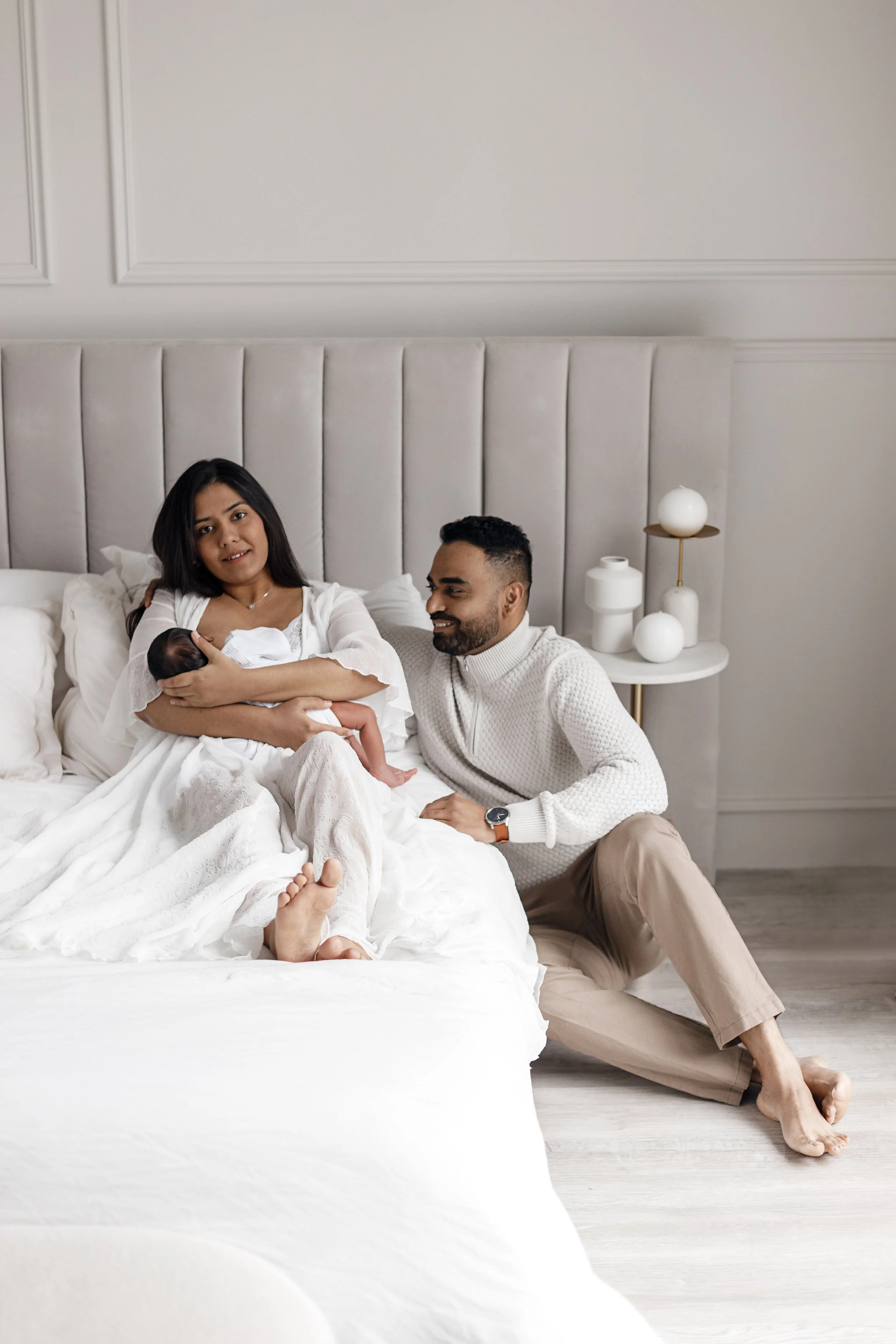
For families who want soft, natural, timeless newborn photographs, the first two weeks offer a beautiful opportunity. Babies are still incredibly tiny; they sleep frequently, and we can capture the little details that change almost overnight.
That said, two weeks is not a deadline. If your baby is already three, four, or even six weeks old, it is not too late for newborn photos. The session simply becomes slightly different, with more awake moments, eye contact, movement, and interaction with the parents.
The most important thing is not achieving a perfectly posed baby. It is preserving what your family looks and feels like during this incredibly short chapter of your lives.
For the classic newborn look, I recommend booking your session right after the arrival and planning to photograph your baby within the first 9–14 days after birth.
Contact me today to reserve your spot—these moments are fleeting, and I’m here to help you remember them beautifully.